our story

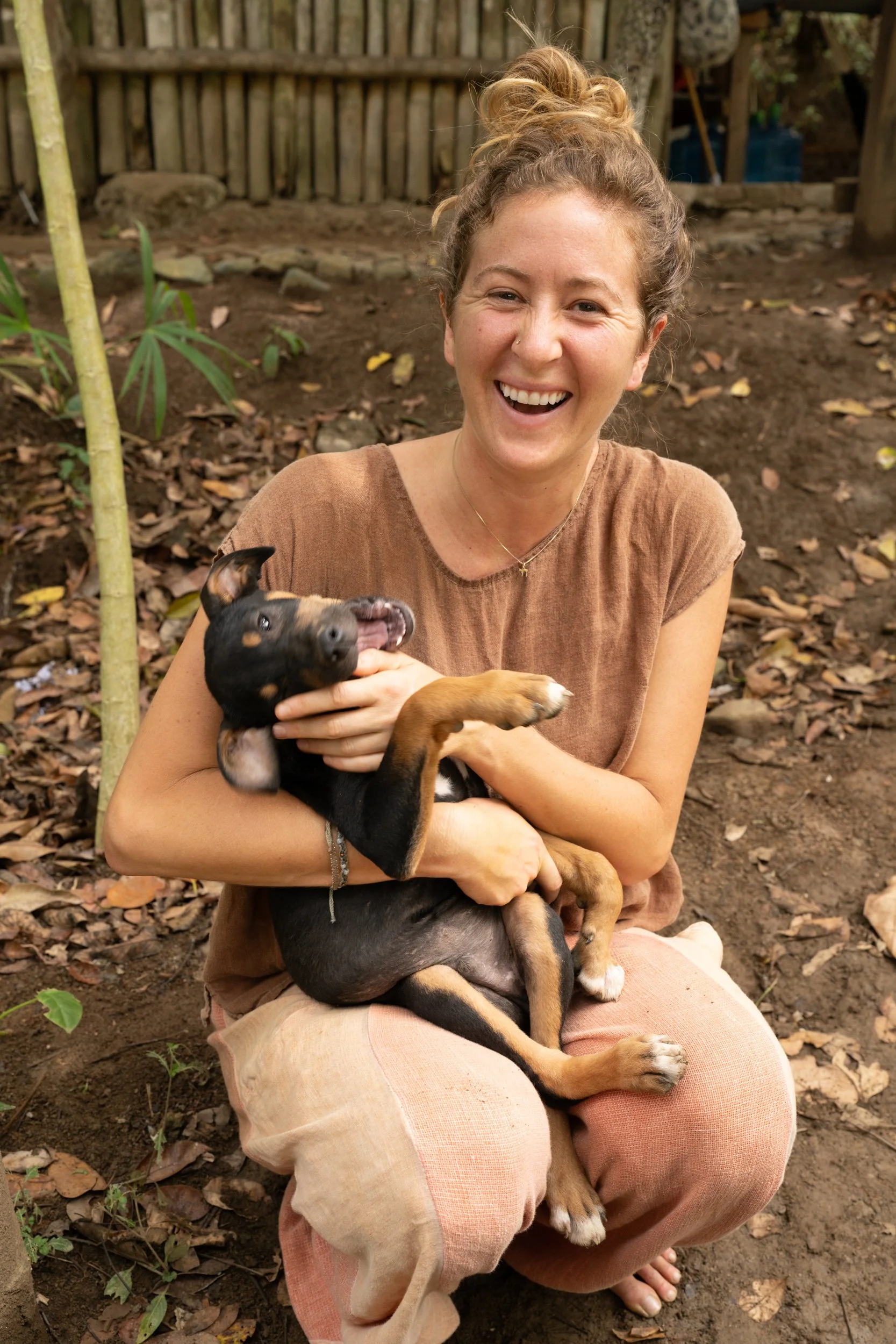
by Mackenzie barthWords from our founder
I came to Guatemala for a short visit in 2021, and I never really left.
I stayed because it felt good. The pace of life, the proximity to nature, the way food came from the ground a few miles away and arrived at the market still fresh, the handmade nature of everything. I had grown up in a world of strip malls, overpriced grocery stores, boxed food and produce with plastic stickers that had traveled thousands of miles. In Guatemala I entered a different way of living entirely, one that felt simpler and more nourishing than anything I had known before.
So I stayed, I bought land in a small village in the highlands, and I started learning.
The communities who were my neighbors here knew so many things I didn't. They could walk through a forest and identify dozens of medicinal plants. They knew when to plant and when to harvest, how to read the land, the sky, and the songs of birds. Their relationship with the natural world wasn't a philosophy or a weekend hobby — it was who they were. Being around that felt like remembering something I had forgotten long ago.
But…
I also saw something that disturbed me.
Cheap, ultra-processed foods were creeping in. Basic living costs were rising. Families who, for generations, had farmed coffee, oranges, lemons, jocotes, and avocados on their ancestral lands were being forced to leave to find work elsewhere, just to survive. When families leave, the land gets sold, and when the land gets sold, it gets cleared for development or monocultures or cattle grazing. The forests that these communities had protected for generations were quietly disappearing, one family parcel at a time.
It felt like a tragedy unfolding in real time. And I kept asking myself: what if there was another way? What if people could stay in their ancestral homelands, earn a good living, and be valued for what they'd always known how to do?
That question became the seed of AWANIMA.
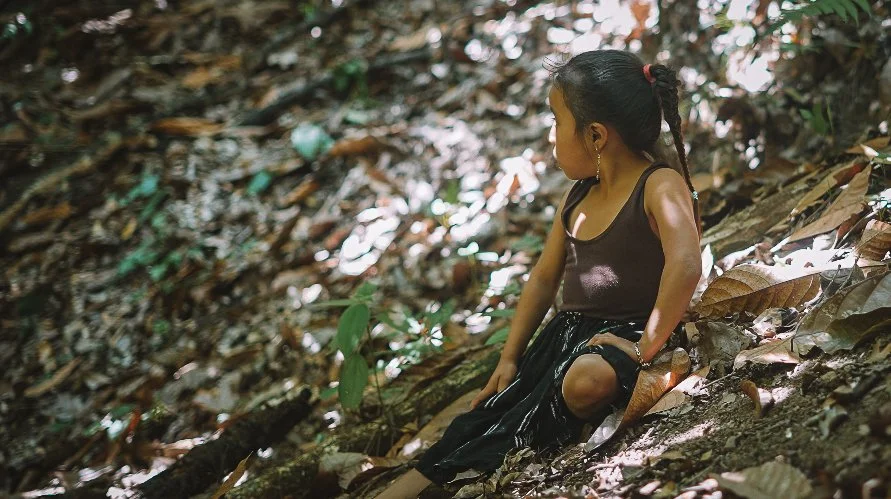
Then came cacao.
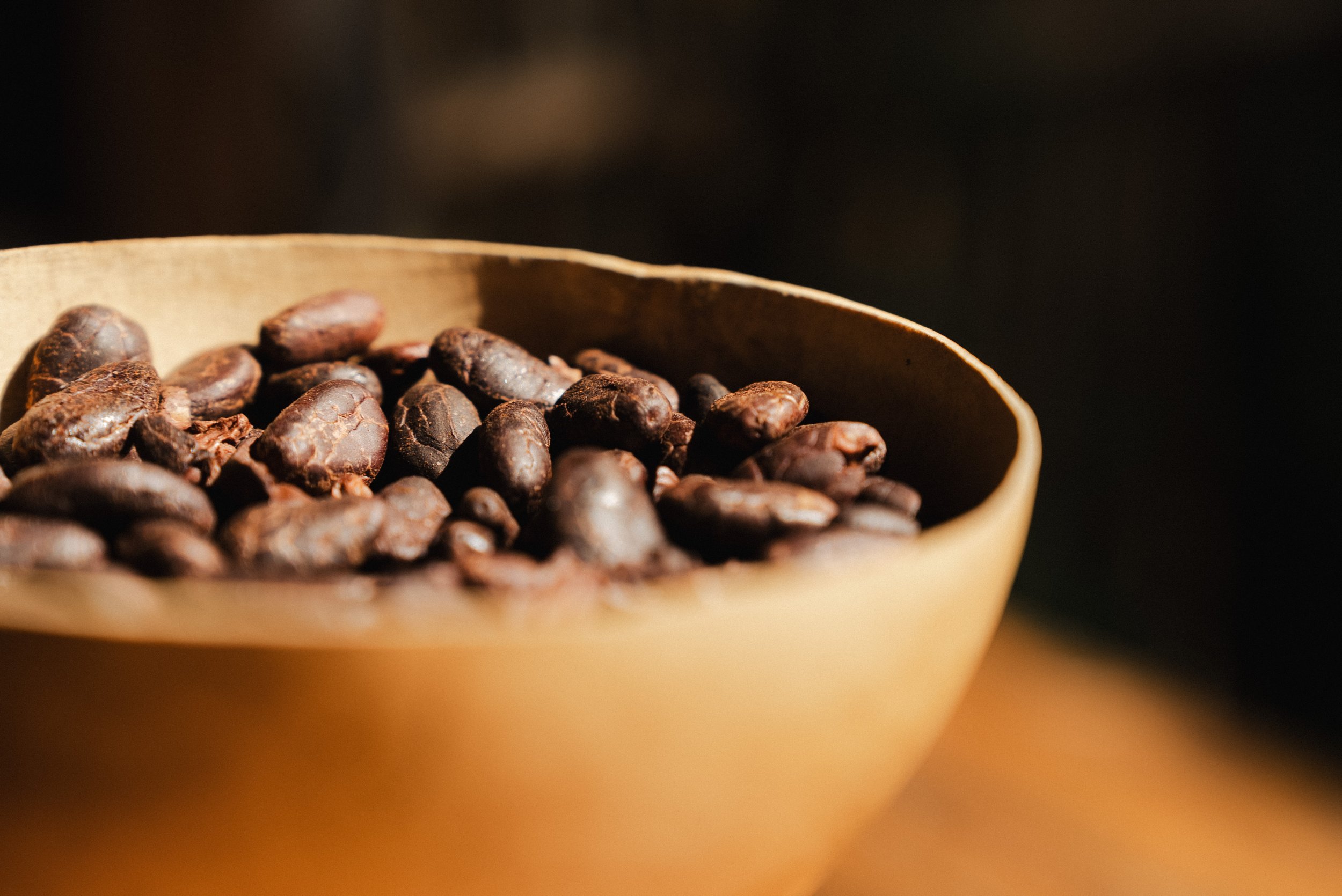
I had been drinking ceremonial cacao for years as part of my morning routine. It was something I looked forward to daily and truly cherished. But as I spent more time in Guatemala, I started to learn a hard truth how most cacao was sourced and processed. So many brands marketed their product as "sacred" and "ethical,” while farmers were still being underpaid. Everyone talked about the heart-opening benefits, but no one spoke if the trees were grown in monocultures on degraded soil or sprayed with pesticides. I felt uncomfortable seeing cacao sold at premium prices to a “conscious” community with beautiful packaging but meaningless claims behind them.
I wanted to continue drinking and sharing cacao, but felt in order to do that with integrity, I needed to go to the source. Not just buy from the source, but actually be part of the process. I felt like I needed to be in charge of how it's grown, processed, and who benefits from it — I couldn’t just trust someone’s word about it.
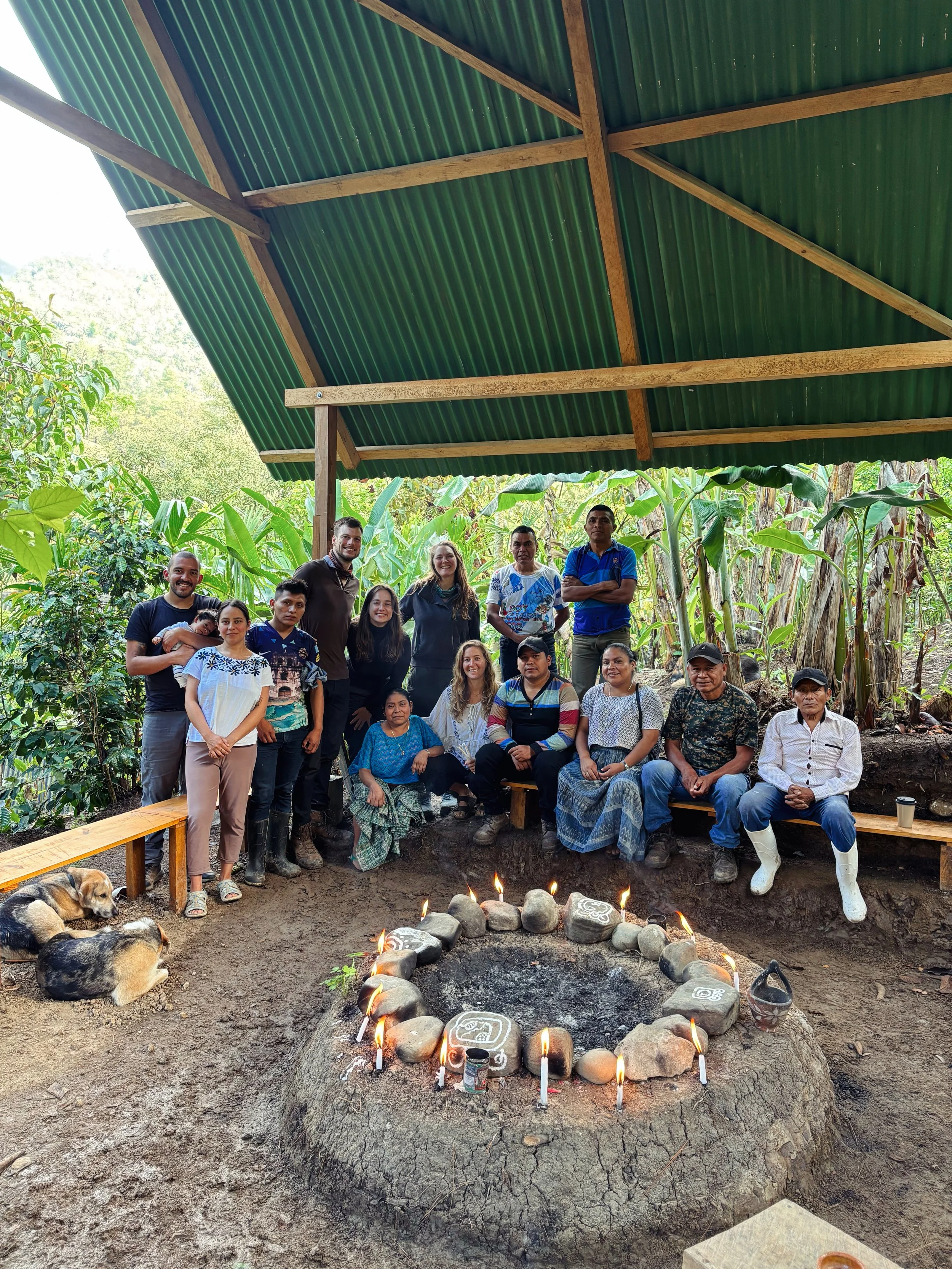
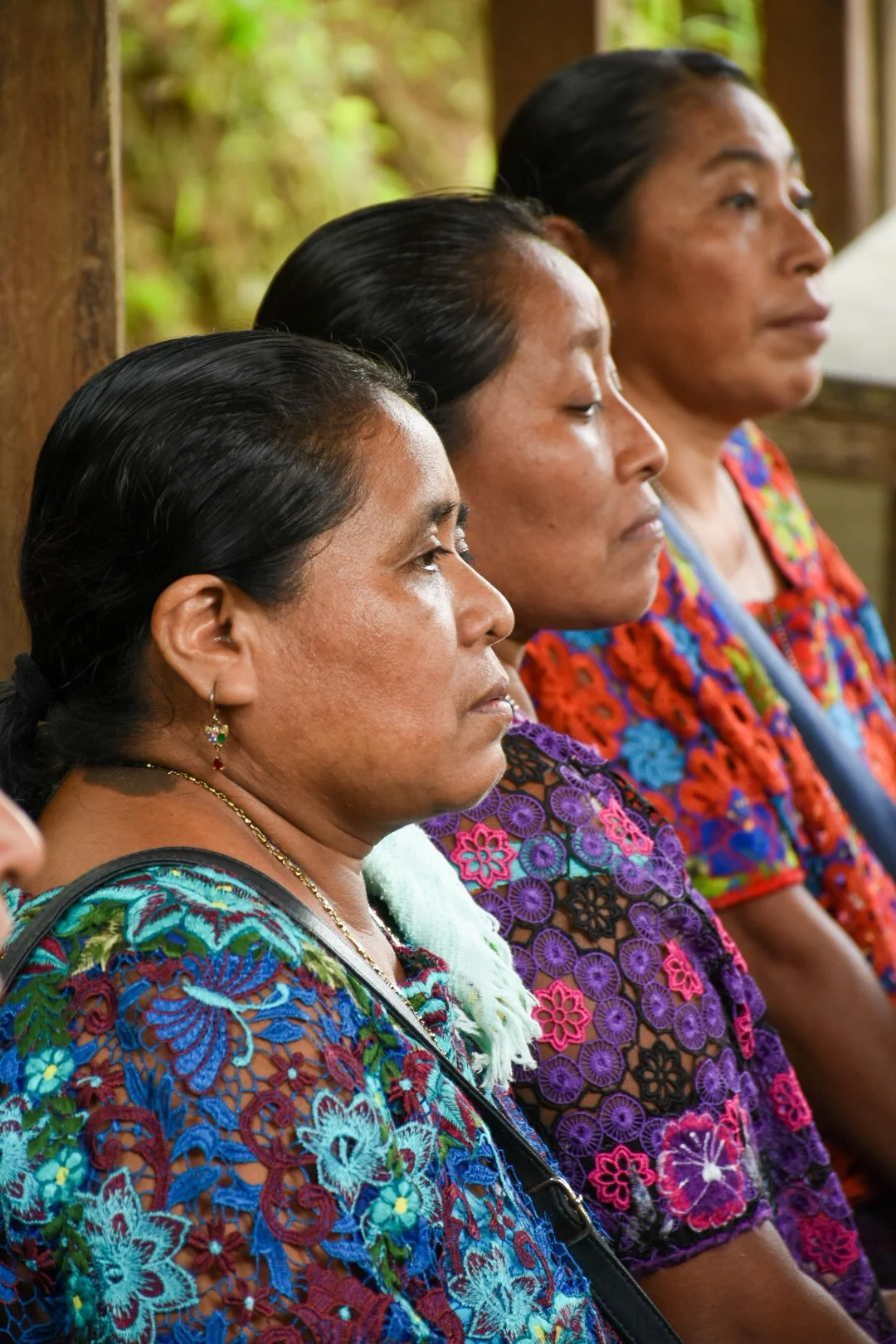
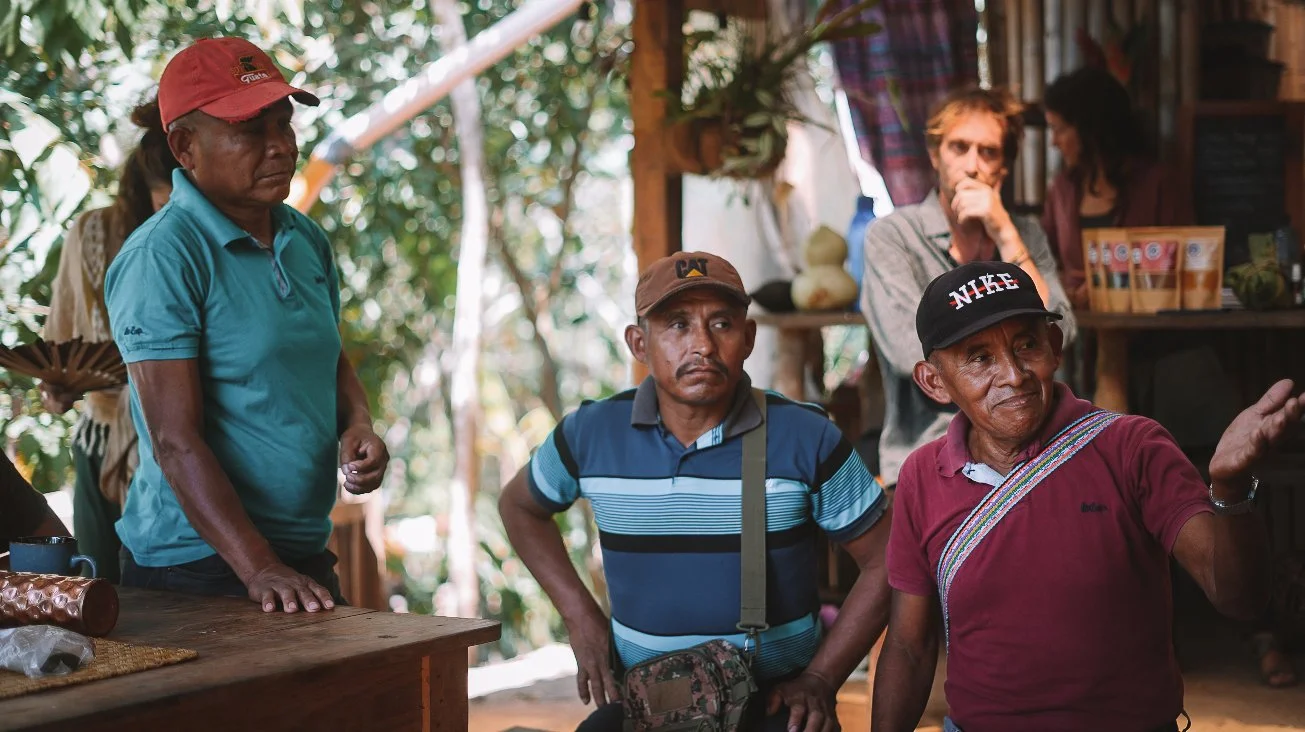
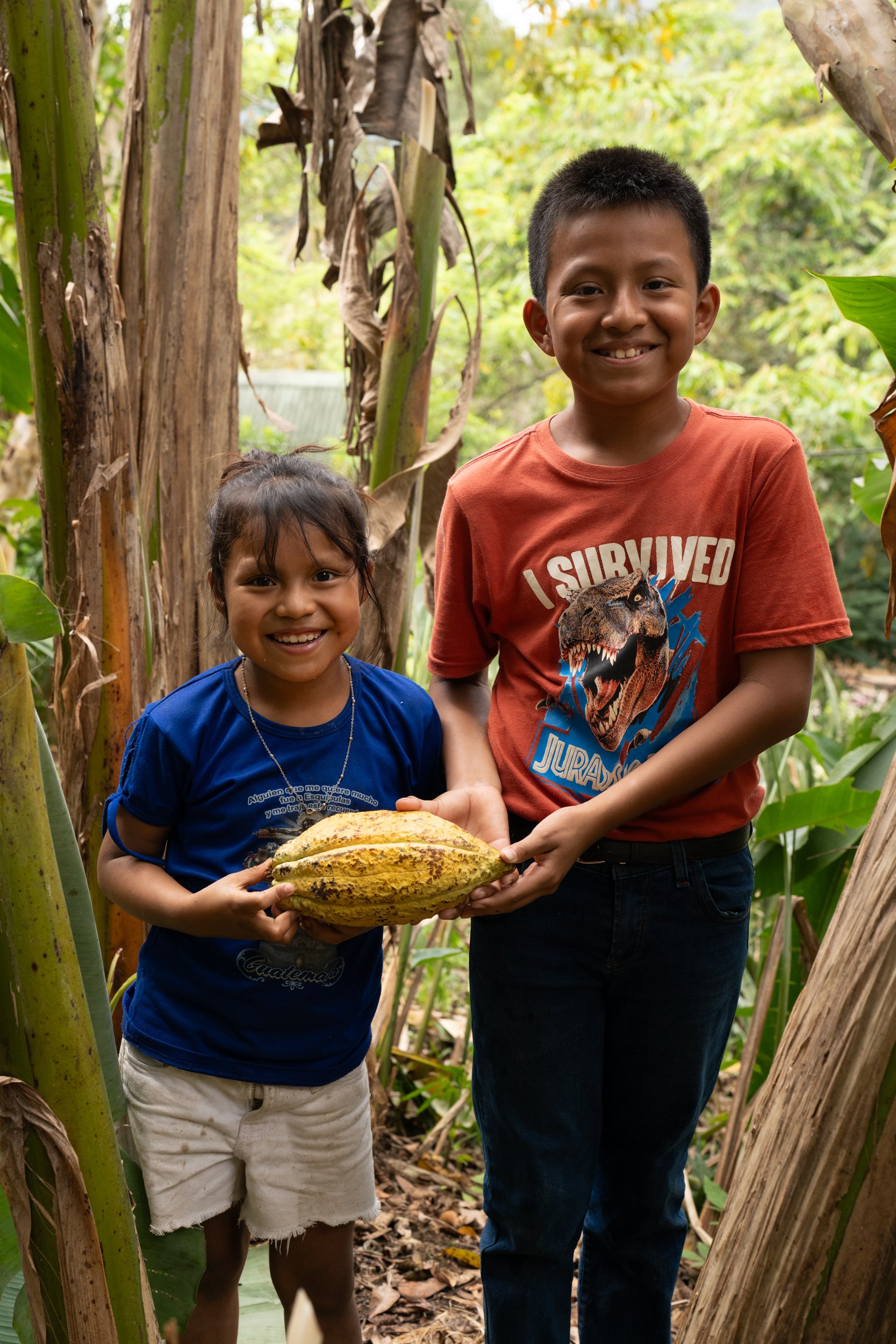
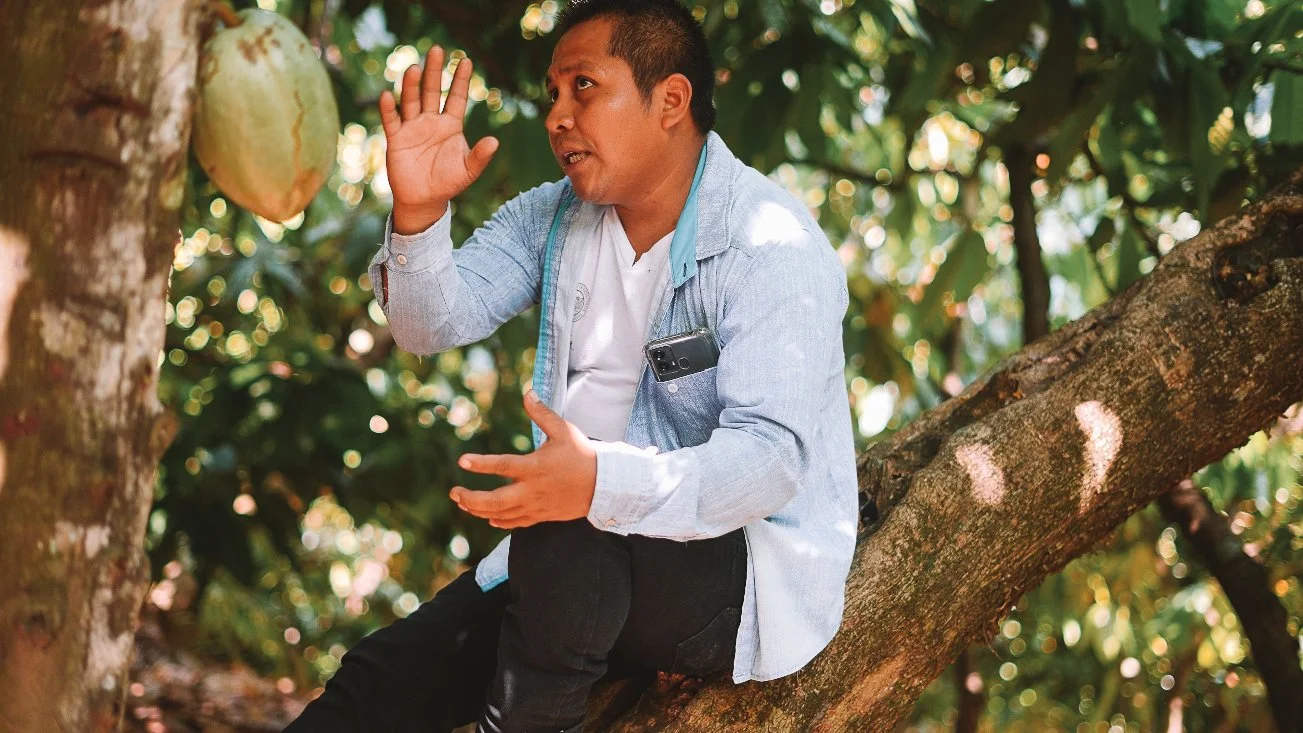
In 2025, that opportunity arrived. The founder of Tuqtuquilal — a regenerative center and farmers cooperative in Lanquín, Alta Verapaz — was looking for a new steward to carry it forward. I give thanks to the magical weaving of cacao to bring me the perfect opportunity: to steward an existing cross-cultural project with Q'eqchi families farming cacao in food forests, using traditional methods, producing something with real integrity.
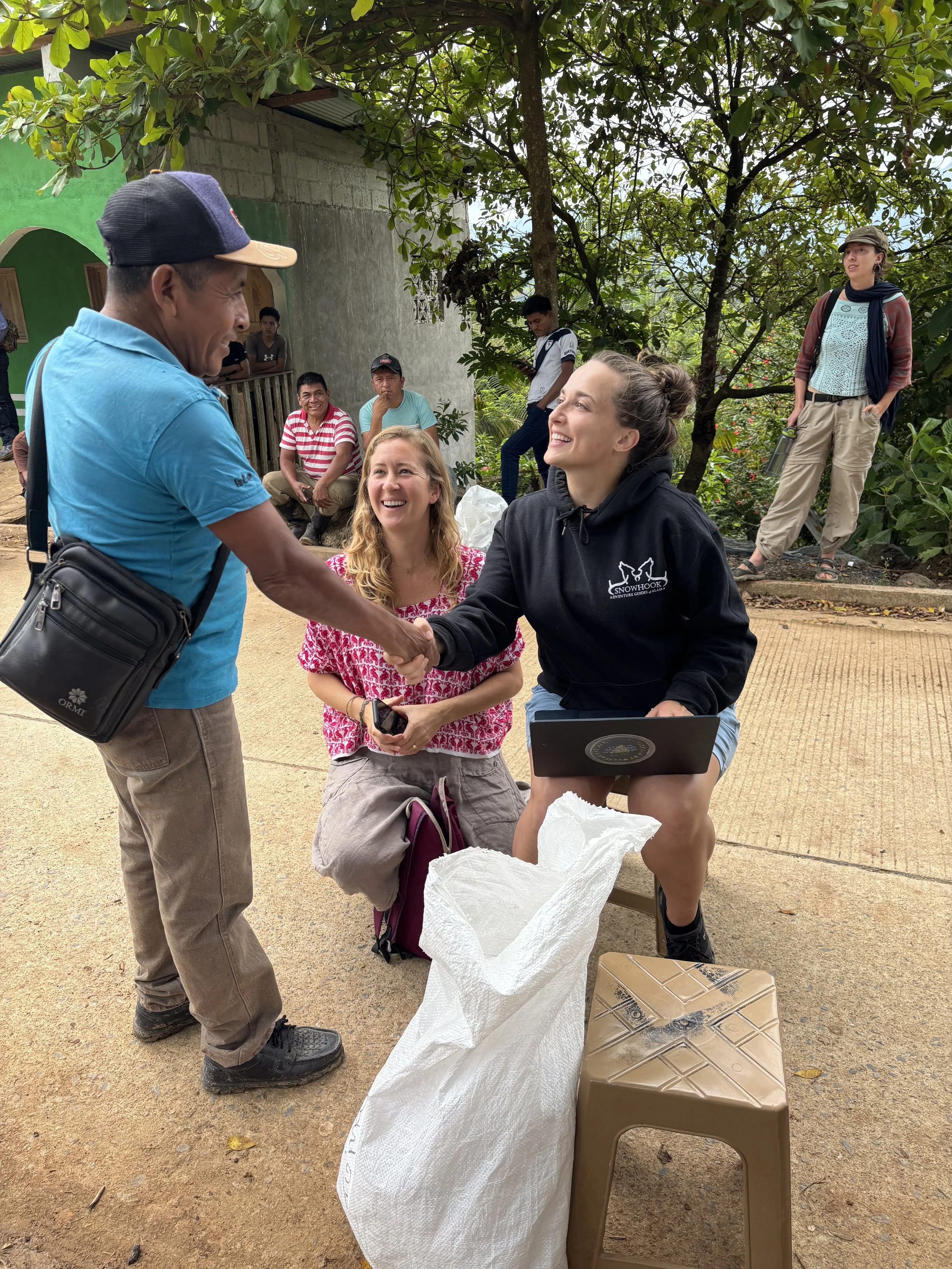
I said yes to becoming the steward of Tuqtuquilal, and it changed everything. It meant I could look every person who buys our cacao in the eye and tell them exactly where it came from, exactly who grew it, exactly how it was processed — because I was part of it. Because the families who grew it are people I know by name, whose children I've met, whose land I've walked.
And I can feel good about that because it’s not a marketing claim. That's just the reality of how we work.
why it matters
On this journey I’ve learned so much from the land, from the communities, and from cacao itself, and one of my biggest realizations is that none of this is really that complicated. It may be complex, like a tapestry of relationships in a forest, but it’s not complicated. Healthy soil grows healthy food. Healthy food nourishes healthy people. People who are nourished and connected to their land take care of it. And land that is taken care of sustains everyone.
The modern industrialized world has made this overcomplicated. We have built systems that break every link in a natural chain of wellbeing. AWANIMA is one small attempt to rebuild it — to create a direct connection between people in the world who want clean, real, nourishing food, and the families in Guatemala who have always known how to grow it.
I'm proud of what we're building here. I'm proud of the families at Tuqtuquilal who produce our cacao and spices with such dedication and skill. I’m proud that we can say we share food with the highest integrity. And I'm genuinely grateful that you found your way here — because every person who chooses our products makes it possible for those families to stay on their land, protect their forests, and live well.
Thank you for being part of it.
Mackenzie

Joins us in a food revolution led by

Respect
Respect your food, where it comes from, and the people who work extremely hard to plant, tend, harvest, and process that which feeds you.

GRATITUDE
The Earth gives generously to sustain all of humanity and all of life. Give thanks to all that you receive. Focus on the abundance you already have. Recognize the gifts of your life, like everyday food that can arrive at your doorstep without you growing and processing it yourself.

RECIPROCITY
Feed that which feeds you. Tend to the relationships that sustain your life. Share your gifts with the world.