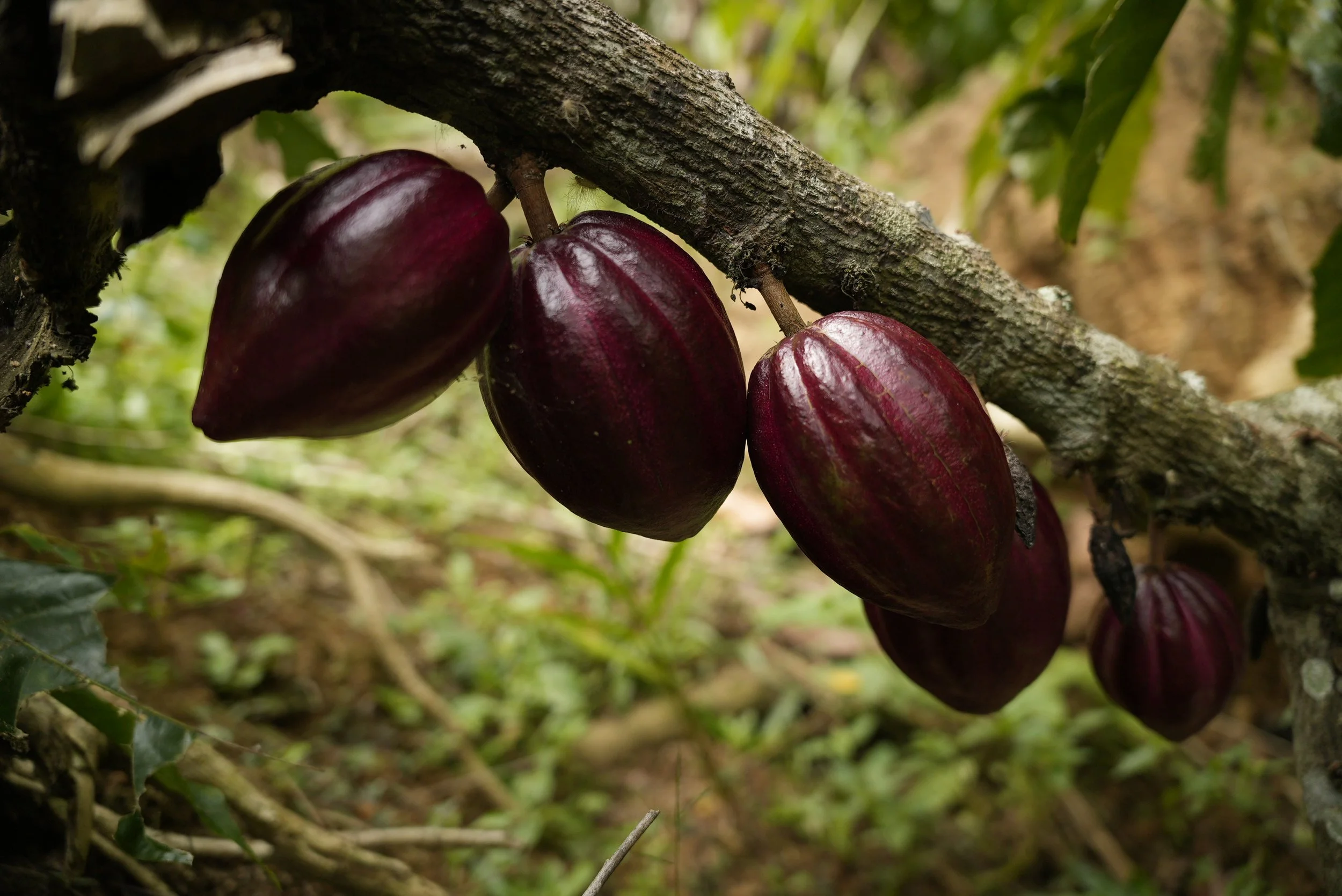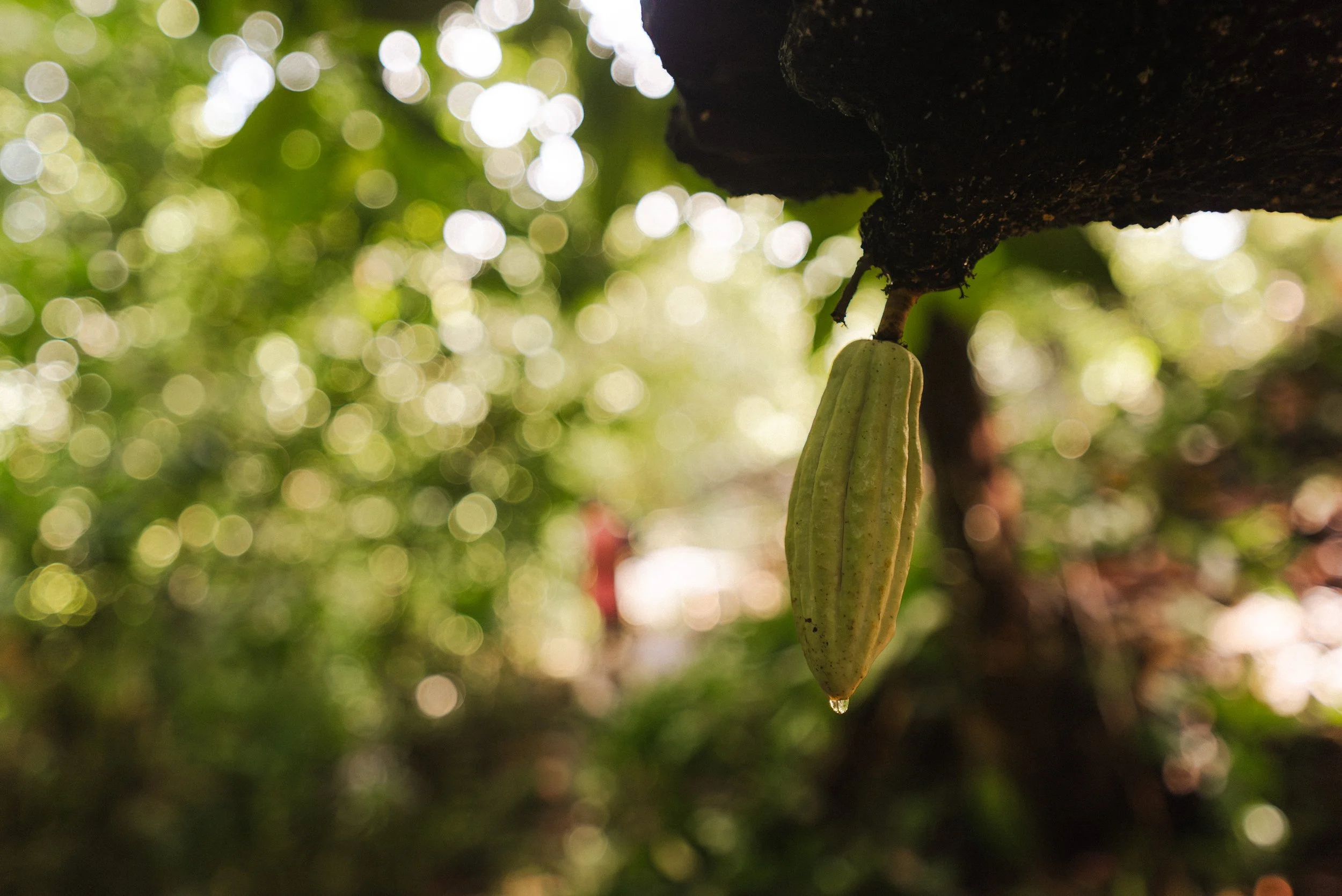
Cacao is at the heart of our story

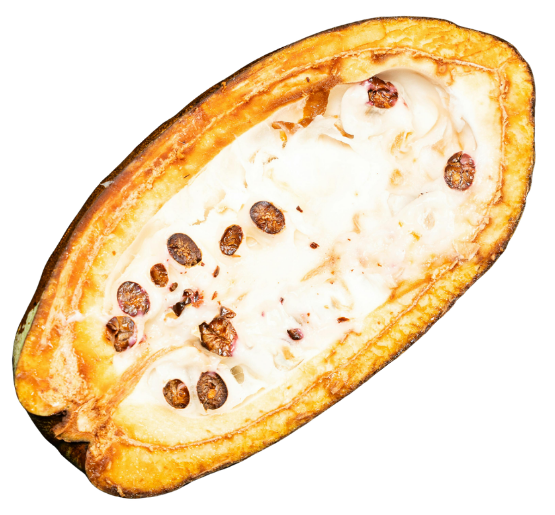
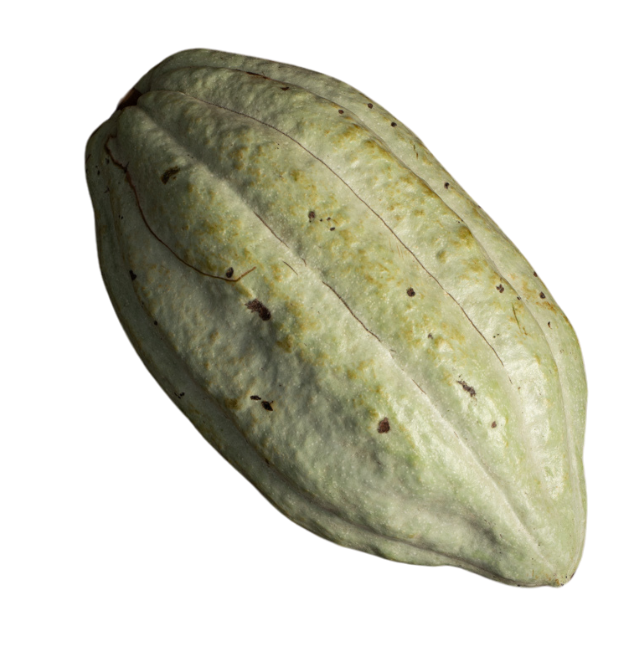
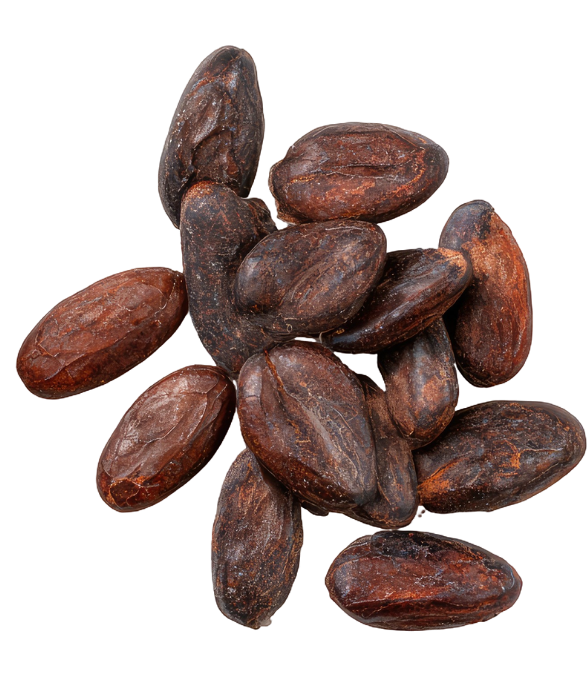
CACAO ≠ CHOCoLATE
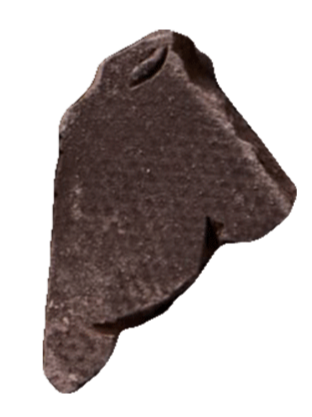
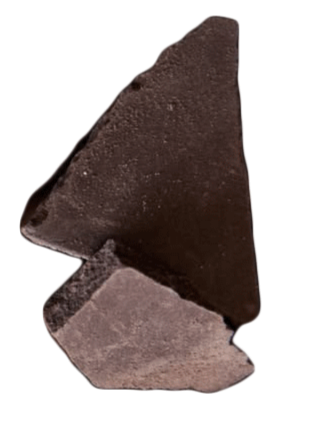
While cacao may be an ingredient in chocolate, we relate to it differently. We see cacao as a teacher, a companion, and a plant medicine — one that has been at the center of life, ceremony, and community in Guatemala for thousands of years. We source it, process it, and share it with that understanding intact. As close to its living form as possible. As it was always meant to be.


A Brief History
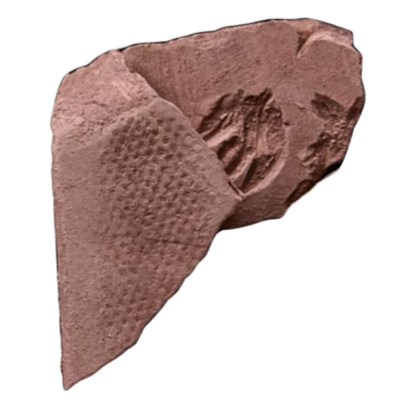
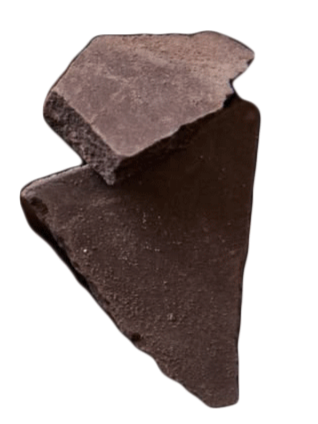
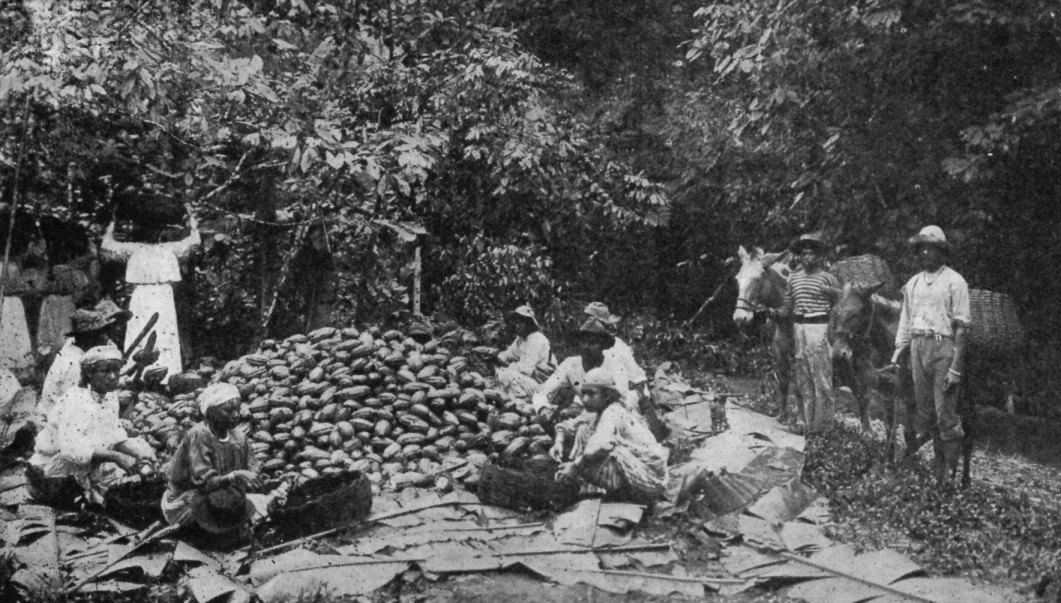
For generations, cacao has been woven into the fabric of life for the Maya people of Guatemala — the region where we source our cacao today. Cacao seeds served as currency before there were coins or bills. They were offered to the spirits during fire ceremonies. When conflict arose between people, it was sharing cacao — not contracts — that fostered resolution.
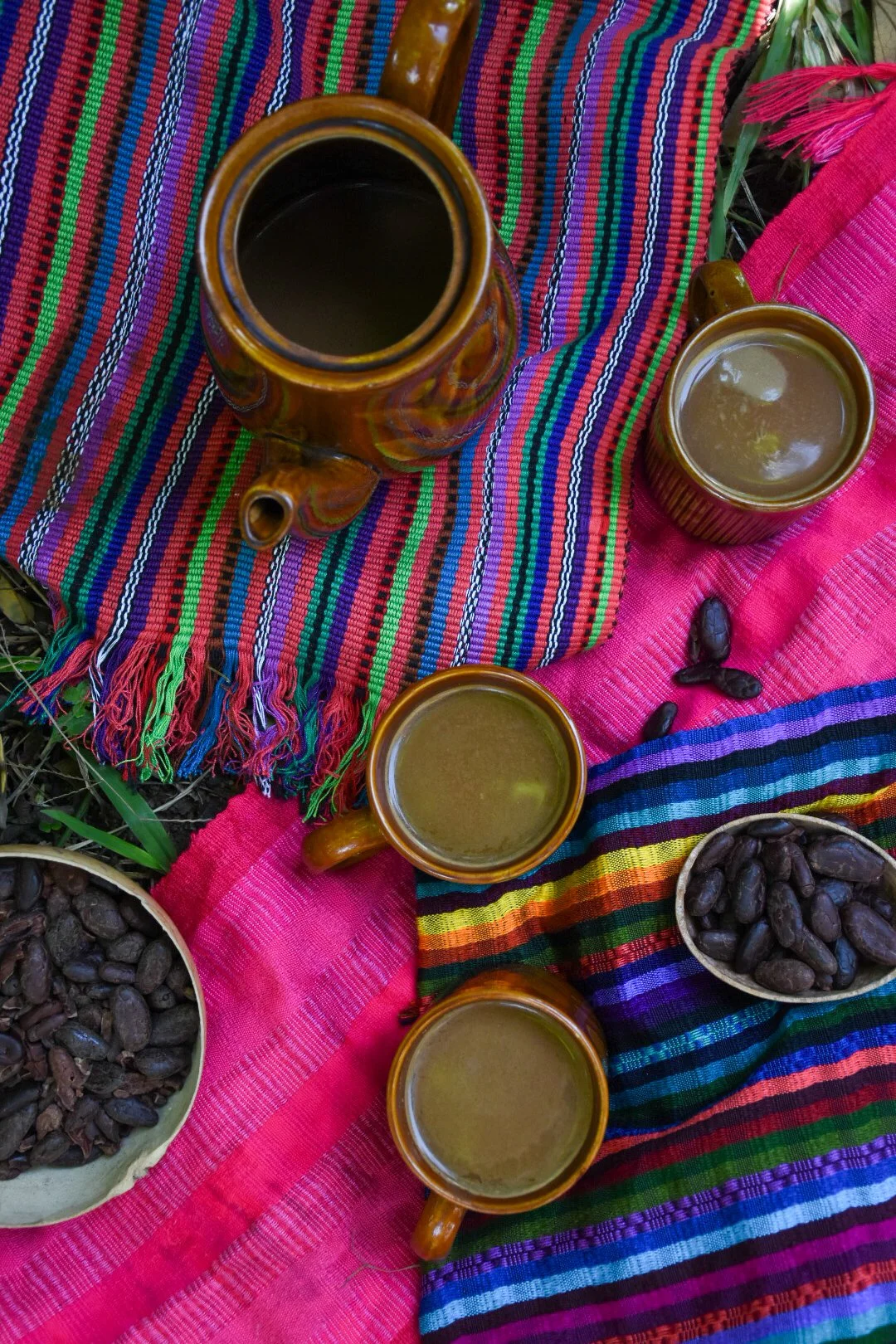
Today, in the mountain villages of Guatemala, this tradition lives on. Cacao is still the heart of the household, prepared as a daily drink and shared at family gatherings. Entire communities are sustained by their relationship with and trade of cacao, and continue to make ceremonies and give offerings nurture this collaboration.
In the modern industrial world, cacao has a very different story. When the original colonizers came to the Americas, they recognized cacao’s value and quickly exported it to Europe. It has since been stripped down, commodified, processed in heavy machinery, and pumped with synthetic flavors and sold as candy. Forests have been cleared for monoculture cacao fields. Land has been sprayed with chemicals. Farmers have been exploited.
In this process, the culture, the ceremony, and the medicine were discarded entirely, and this sacred plant traded as a mere commodity. Everyone just wants it cheap, fast, and at-scale. And this is not just the story of cacao. It is the story of almost every food in the industrialized world.
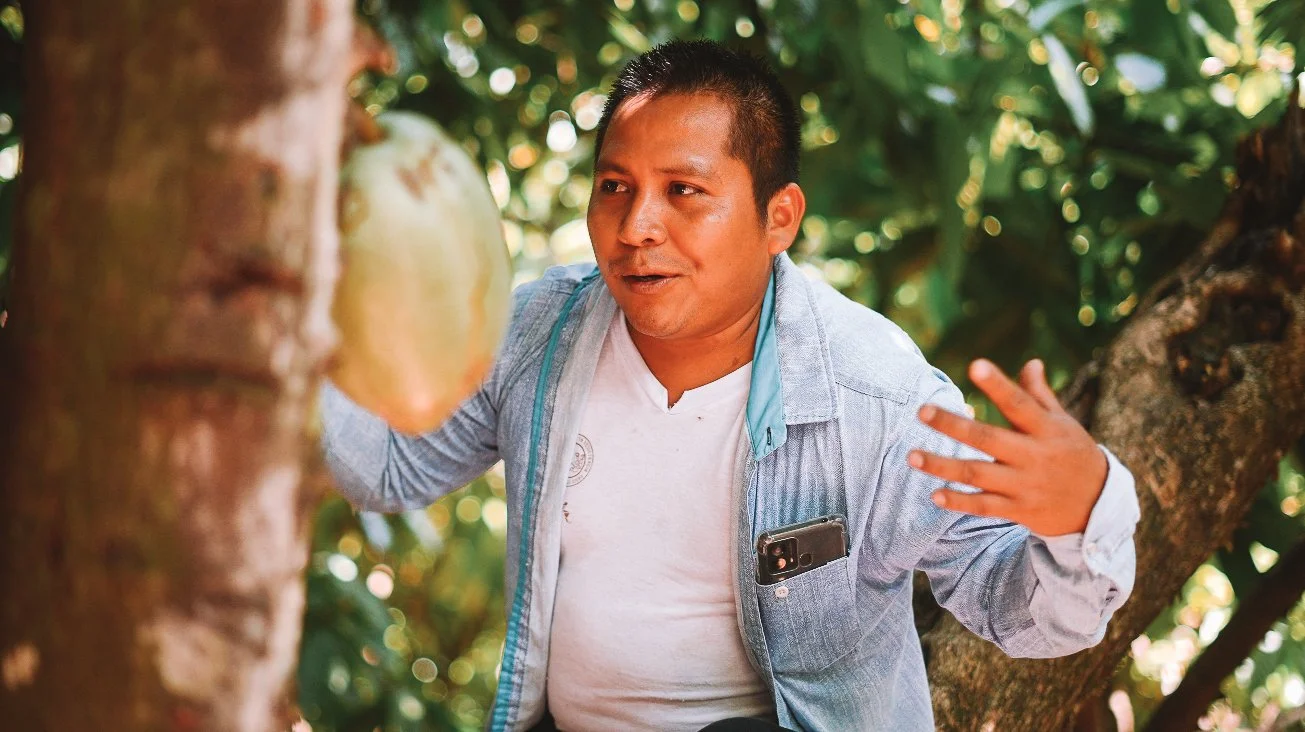

Thankfully, indigenous communities with a long relationship with cacao have been safeguarding seeds and original practices until today. These cacao guardians are generously sharing their wisdom with us at a pivotal time in history, when we are meeting complex challenges that can’t be solved with the same mindset that created them. The plant intelligence of cacao is needed to help humanity heal our bodies and open our hearts, to infuse love into our thoughts, so we can discover creative pathways forward into greater harmony and prosperity for all.
The Seed of Potential
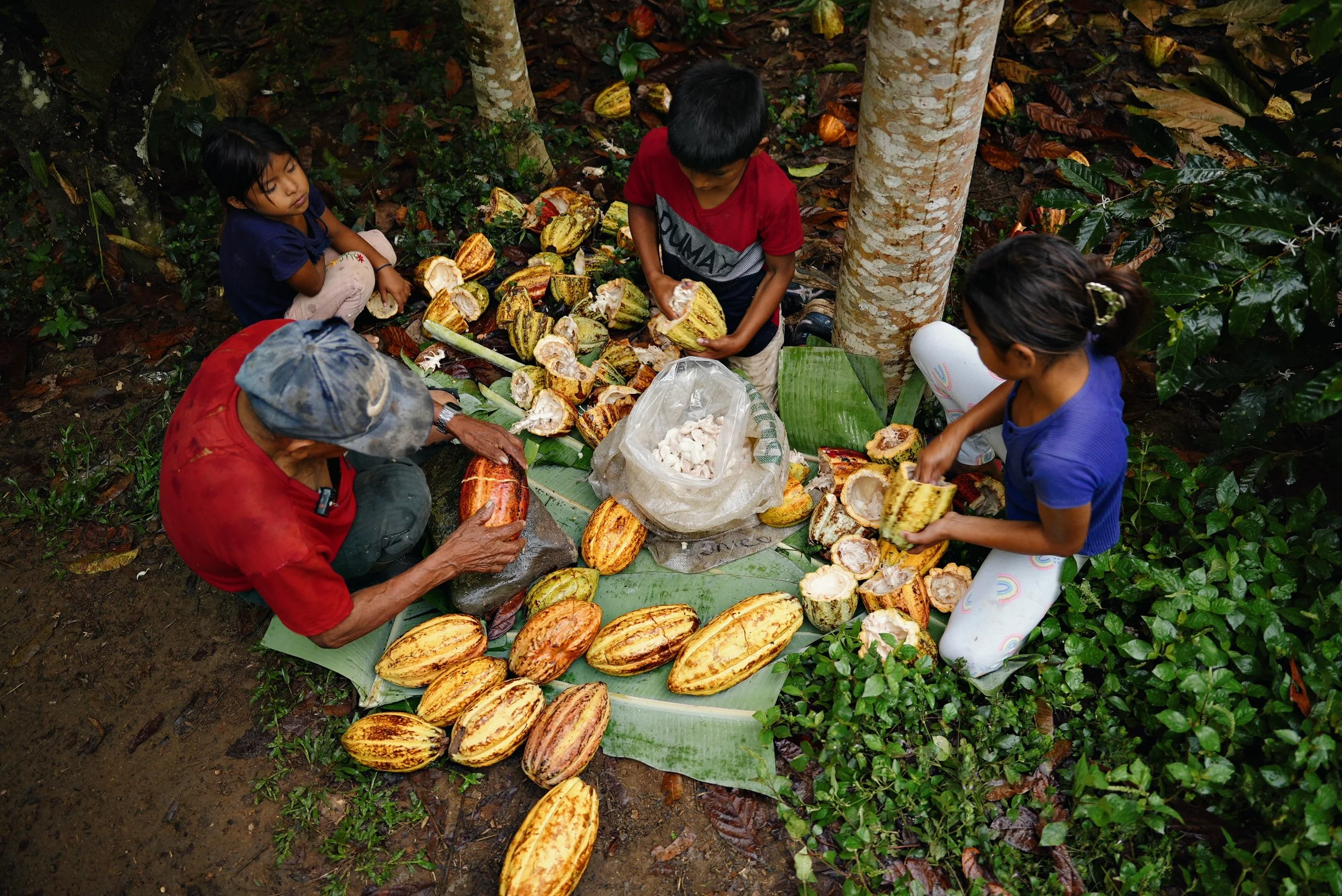

as cacao grows in popularity in the West, it holds up a mirror: how will we relate to it this time?
Cacao invites us to start asking deeper questions. How was this grown? How healthy are the soils? Who tended it? How many hands — or machines — did it touch before it reached me?
These are not trivial questions. They are the most important questions we can ask about what we put in our bodies every day, and how we can start to relate better to the living world.
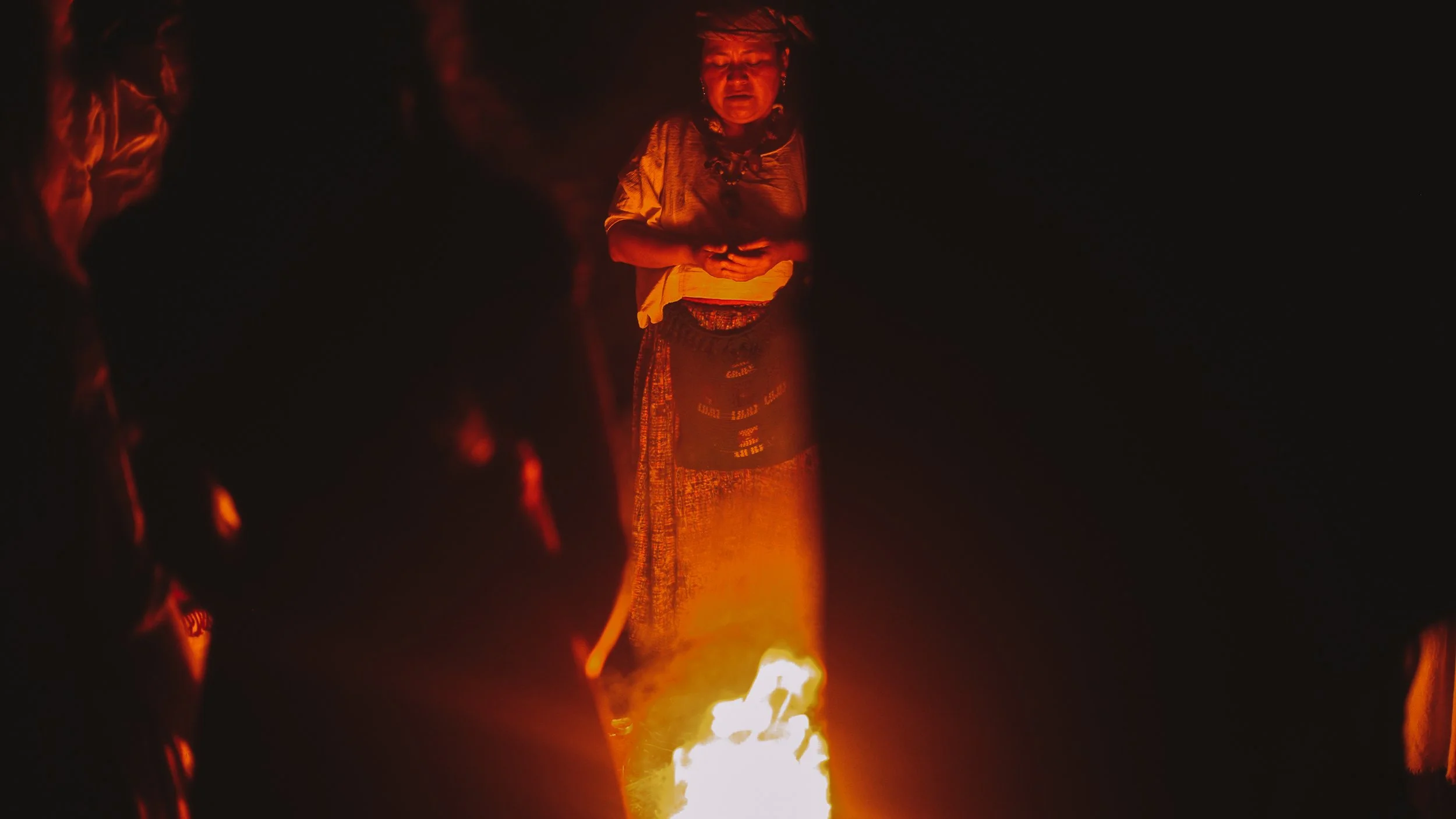
There is something very unique and powerful about building a relationship with cacao. People who sit with ceremonial-grade cacao regularly will tell you things that don't you won’t find on a nutrition label.
𖠁 Hearts feel more open.
𖠁 Moods lift and energy is grounded rather than buzzy.
𖠁 Creative blocks dissolve.
𖠁 Things that felt impossible to say become speakable.
𖠁 Every day feels a little more hopeful.
We believe this is the spirit of cacao doing its work.
The Magic of Cacao
Cacao has a particular gift for connecting the heart with the mind — for helping people think from a place of greater warmth and clarity.
It is a gentle, non-psychoactive plant, but it is unmistakably active in the body and in the emotional field. Many people describe their relationship with cacao as feeling accompanied — like walking with a gentle, wise friend who helps you see and feel more clearly.
-
![]()
For Creative Work
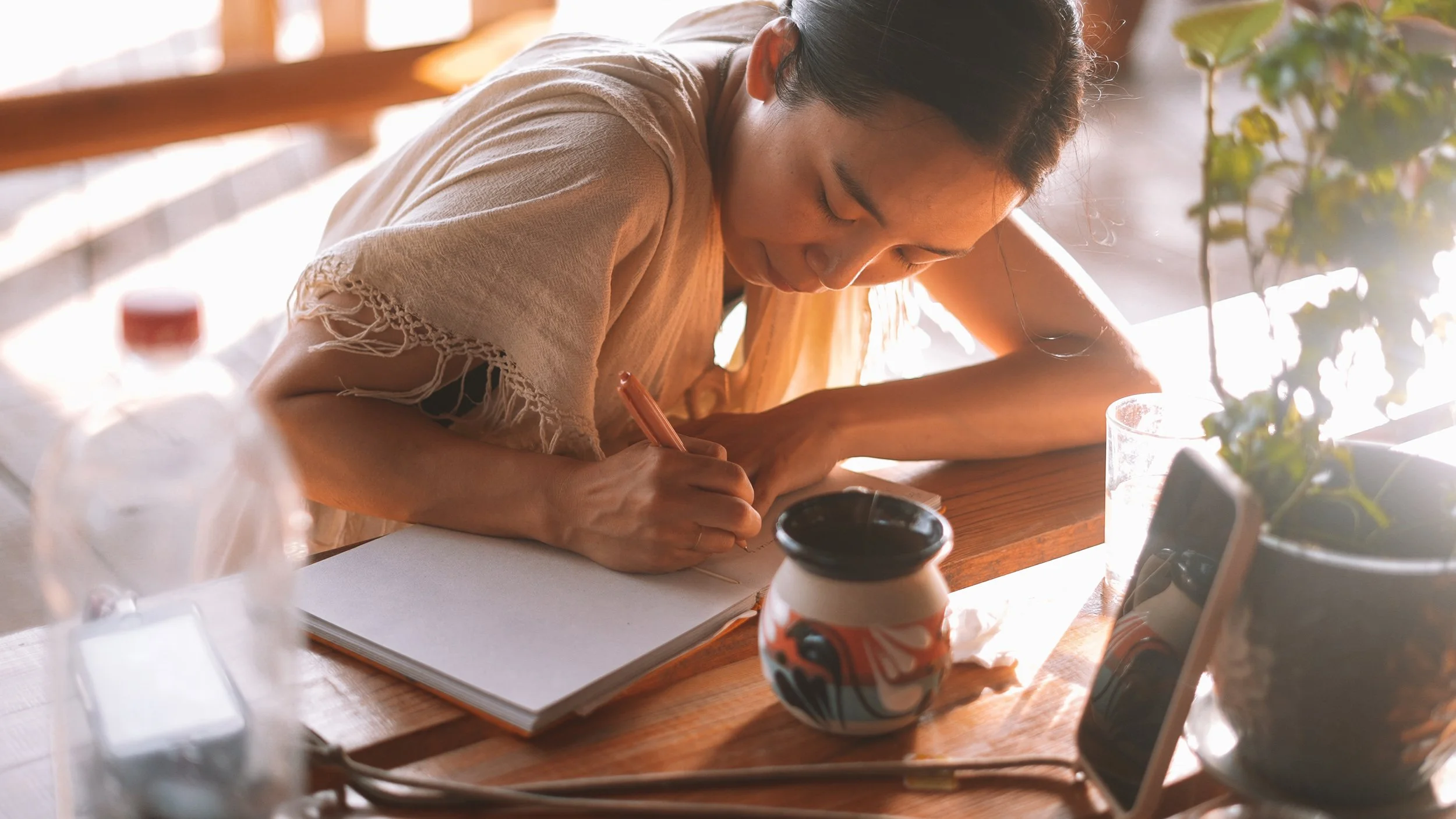
Writers, artists, musicians, and makers have found that cacao creates a kind of gentle, sustained focus. It clears the noise without narrowing the mind, making it a natural companion for getting into the flow state. Sit with a cup before you begin, and notice the difference.
-
![]()
For deep work and big thinking
Cacao's ability to bridge the heart and mind makes it particularly useful when you're working through something complex or meaningful. Whether you're strategizing, problem-solving, or writing something that matters, it has a way of bringing clarity and warmth to the process.
-
![]()
For a date
Cacao has opened hearts and deepened connection between people for thousands of years. It creates a soft, warm atmosphere — the kind where real conversations actually happen.
-
![]()
For catching up with a friend
Swap the wine or coffee for a cup of cacao and feel the difference in the quality of conversation. It invites people to go a little deeper, a little slower, a little more honestly.
-
![]()
For a night in
Cacao is a genuinely pleasurable evening ritual. Rich, grounding, and warming, it satisfies in a way that doesn't leave you restless. It's become a meaningful alternative to alcohol or drugs for people who want to unwind without numbing out.

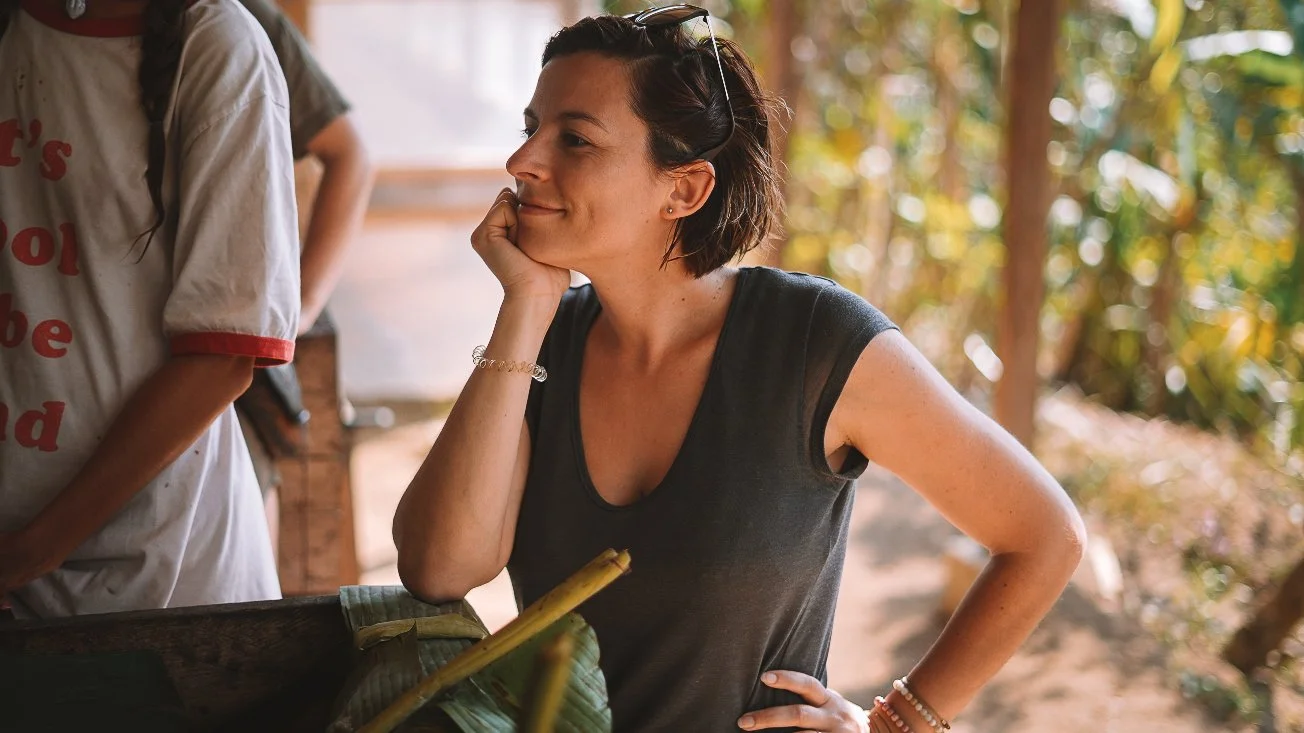

For those who prefer their medicine with a side of data — we've got you. Ceremonial-grade cacao is one of the most nutrient-dense foods on earth. Here is what the research shows:
The Science of Cacao

Mood & Brain Function
Cacao is one of the richest food sources of theobromine, a mild, long-lasting stimulant that increases alertness and energy without the spike-and-crash of caffeine.
It contains phenylethylamine (PEA), sometimes called the "love molecule," associated with feelings of euphoria and emotional wellbeing.
Cacao supports the production of serotonin and dopamine, the brain's primary mood-regulating neurotransmitters.
Anandamide — from the Sanskrit word for "bliss" — is found naturally in cacao and binds to the same receptors as cannabis, contributing to feelings of openness and ease.
minerals & nutrition
Cacao is one of the best plant-based sources of iron, zinc, copper, and manganese.
It contains calcium and phosphorus for bone health.
The fiber content supports gut health and the microbiome.
Note: All of the above applies specifically to minimally processed, ceremonial-grade cacao — not to commercial chocolate products, which can be heavily processed and contain little to none of these active compounds.
Cardiovascular Health
Cacao is extraordinarily high in flavanols, a class of antioxidants shown to improve blood flow, lower blood pressure, and support overall cardiovascular health.
Studies have shown regular cacao consumption is associated with improved endothelial (blood vessel) function.
It is rich in magnesium, essential for heart rhythm, muscle relaxation, and hundreds of enzymatic processes in the body.
Antioxidants & Anti-Inflammation
Raw cacao has one of the highest ORAC scores (a measure of antioxidant capacity) of any food ever tested — higher than blueberries, goji berries, or red wine.
Its polyphenol content supports a healthy inflammatory response and protects cells from oxidative stress.

cacao teaches us good living
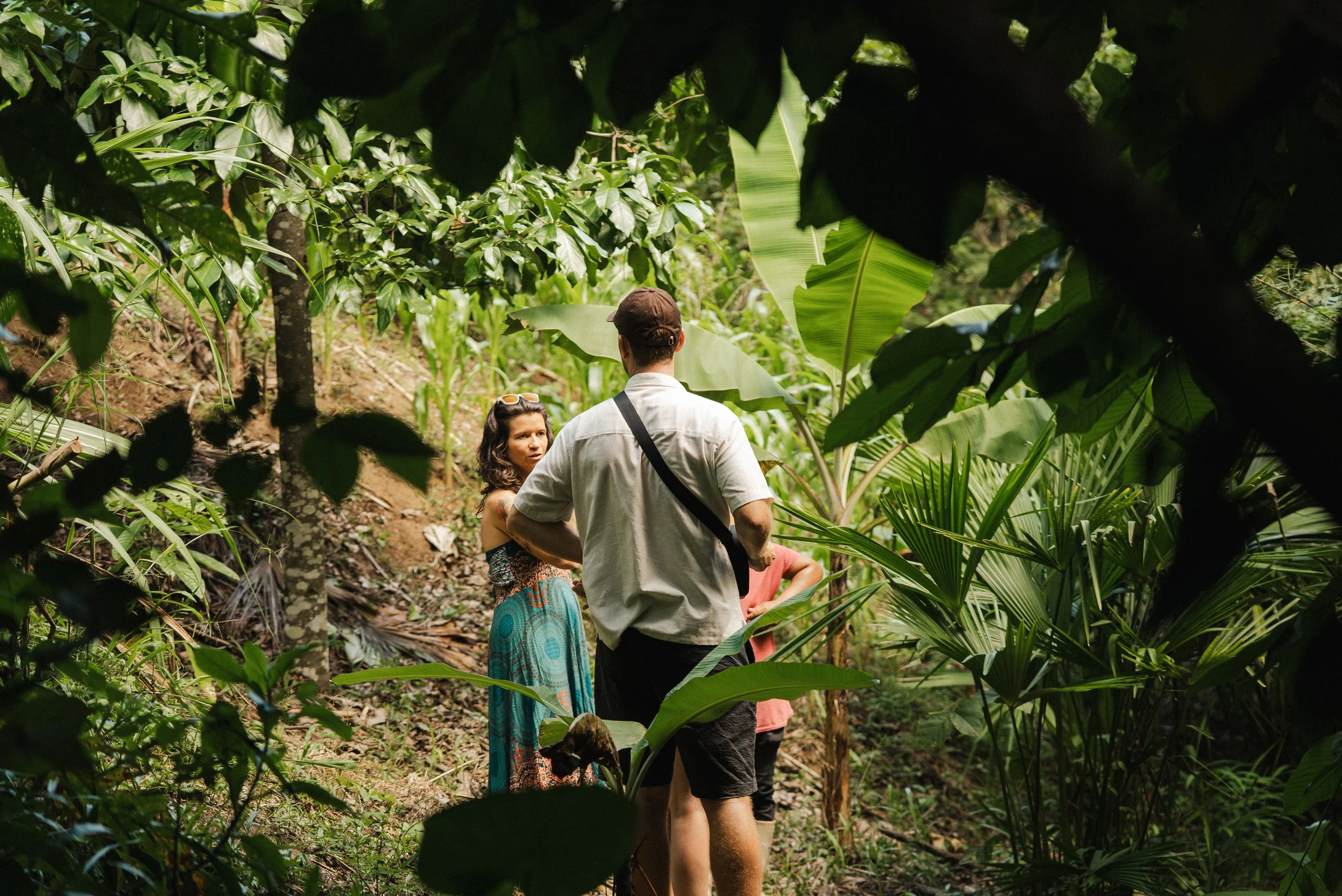
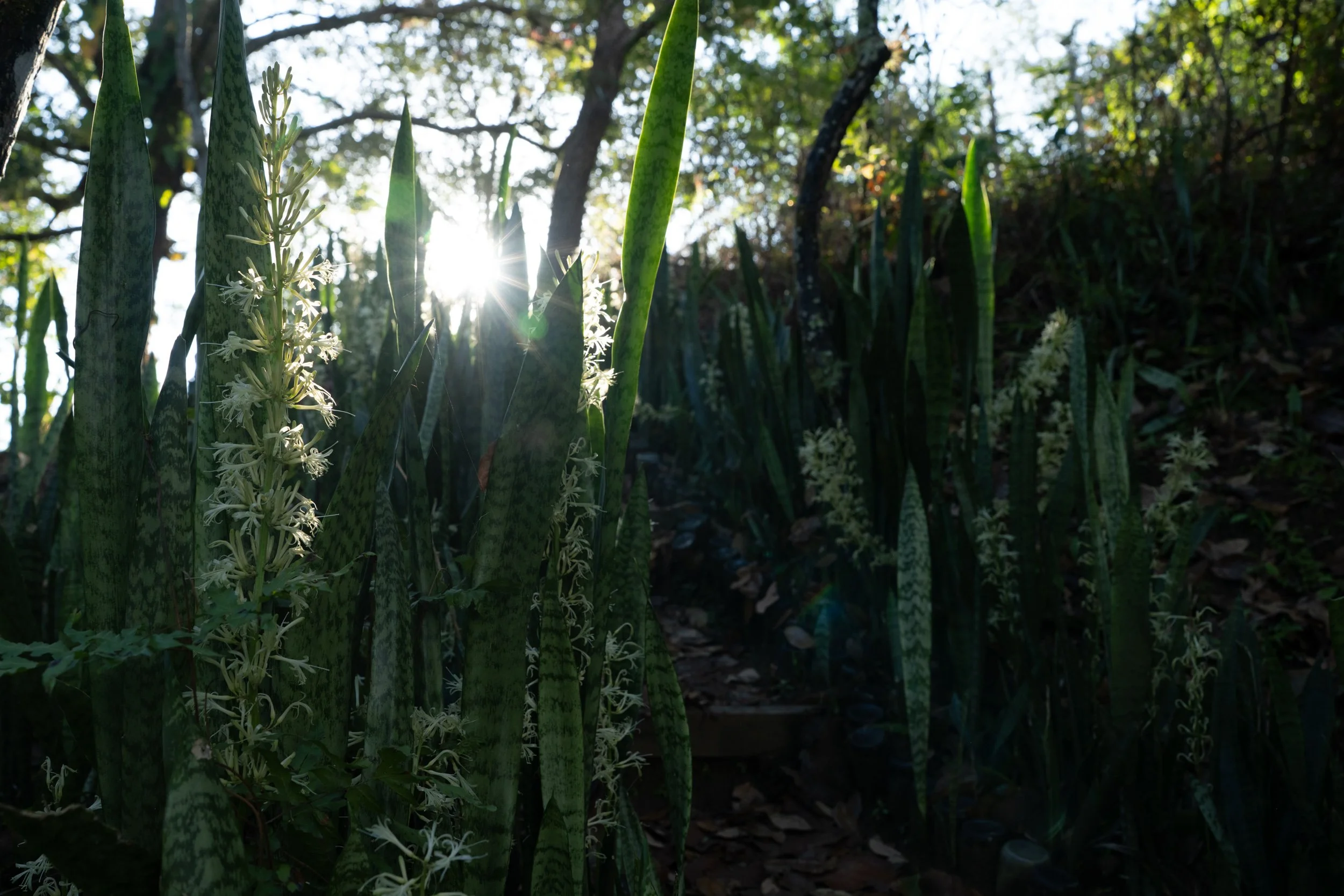
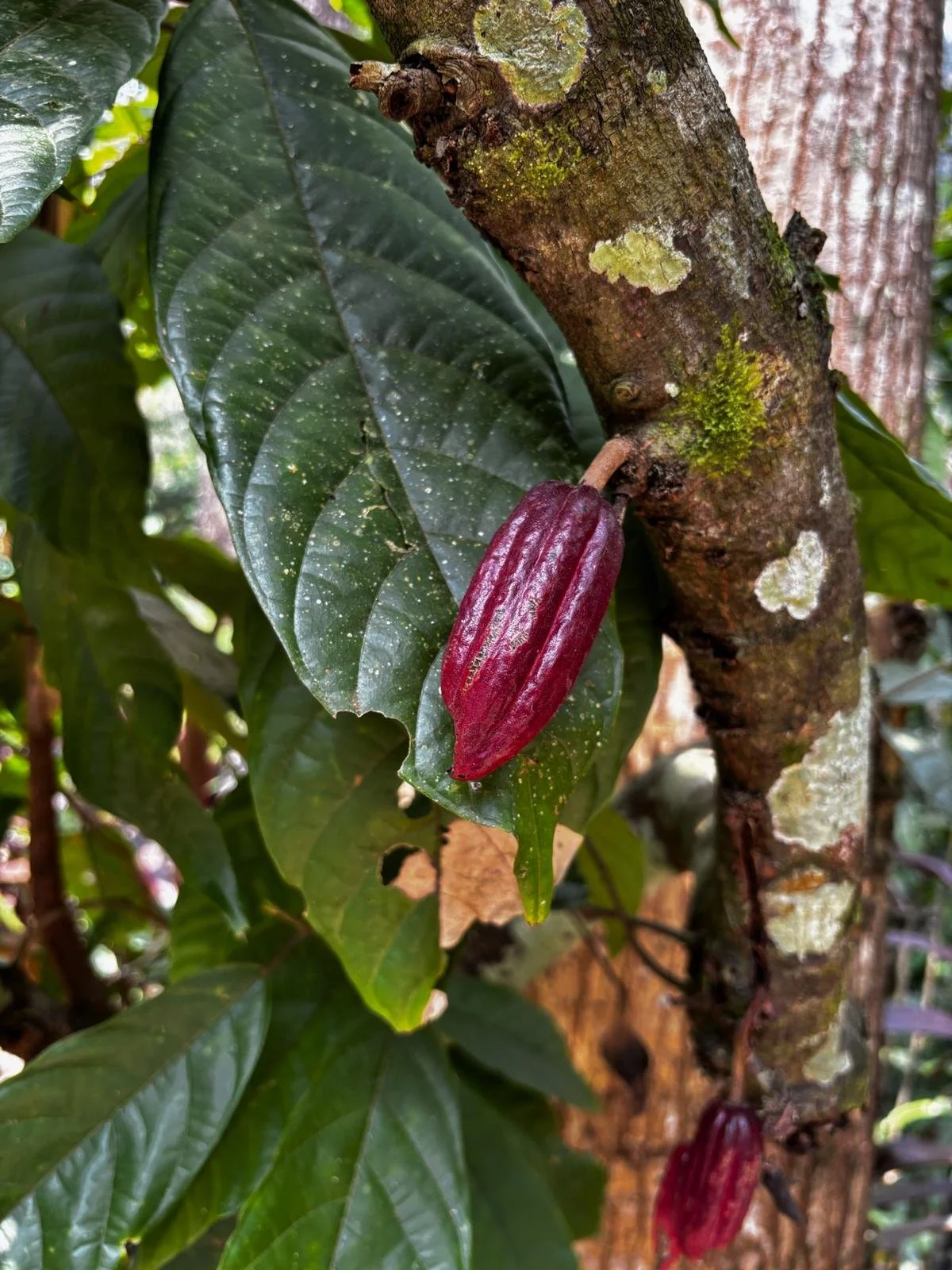
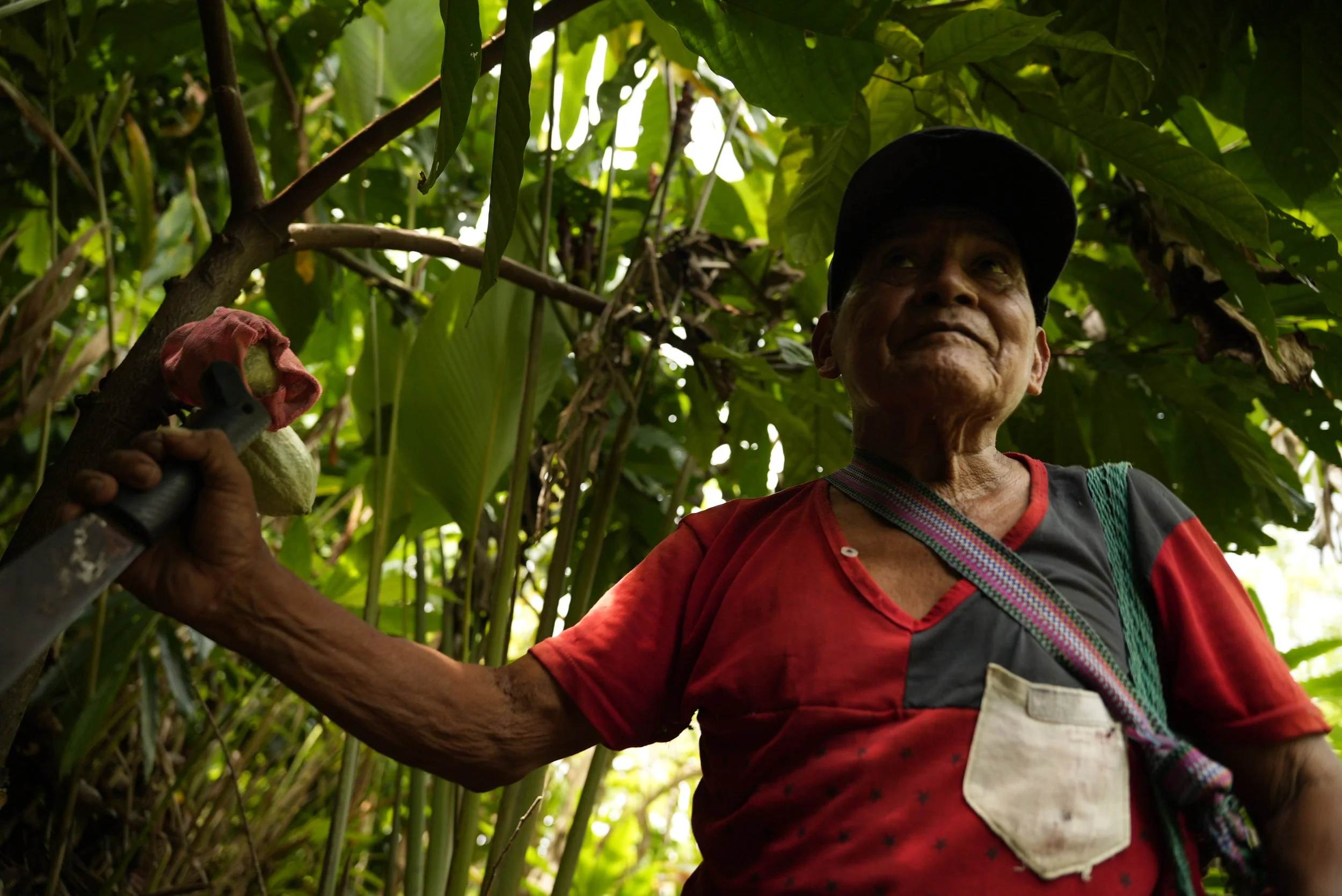
When we view cacao as a teacher, we can learn through its example. Cacao thrives in biodiverse food forest environments, surrounded by banana trees, copal, cinnamon, cardamom, black pepper, and allspice — all in relationship, all supporting one another. In monoculture environments, cacao becomes sick and susceptible to disease. Through this, cacao demonstrates exactly what it is here to teach: life prefers biodiversity. Life prefers relationship. Life prefers communion over isolation.
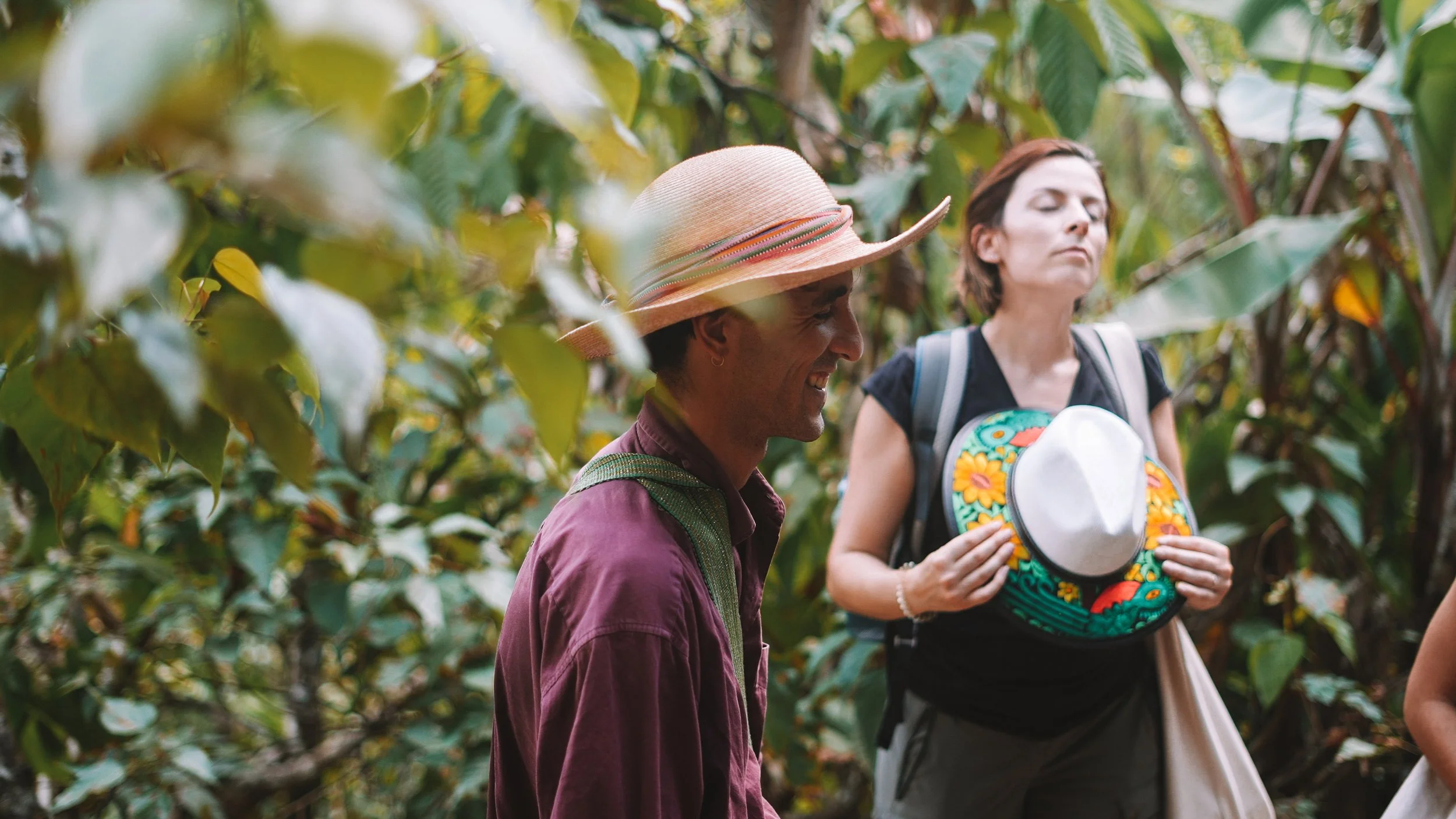
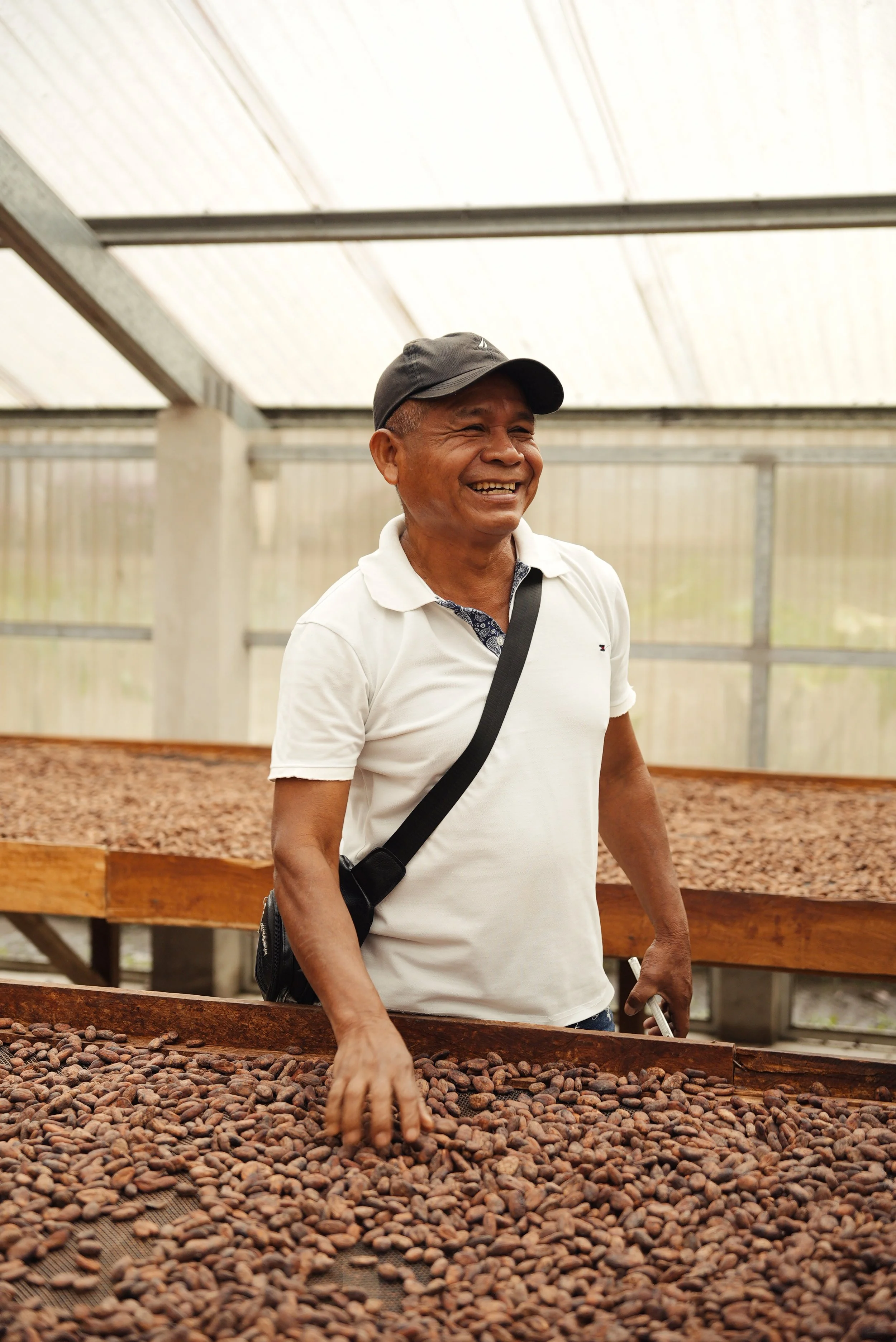
The original caretakers of cacao have always known this. It is why their food forests are treasure troves of ecological intelligence — and why supporting them is one of the most important things we can do.

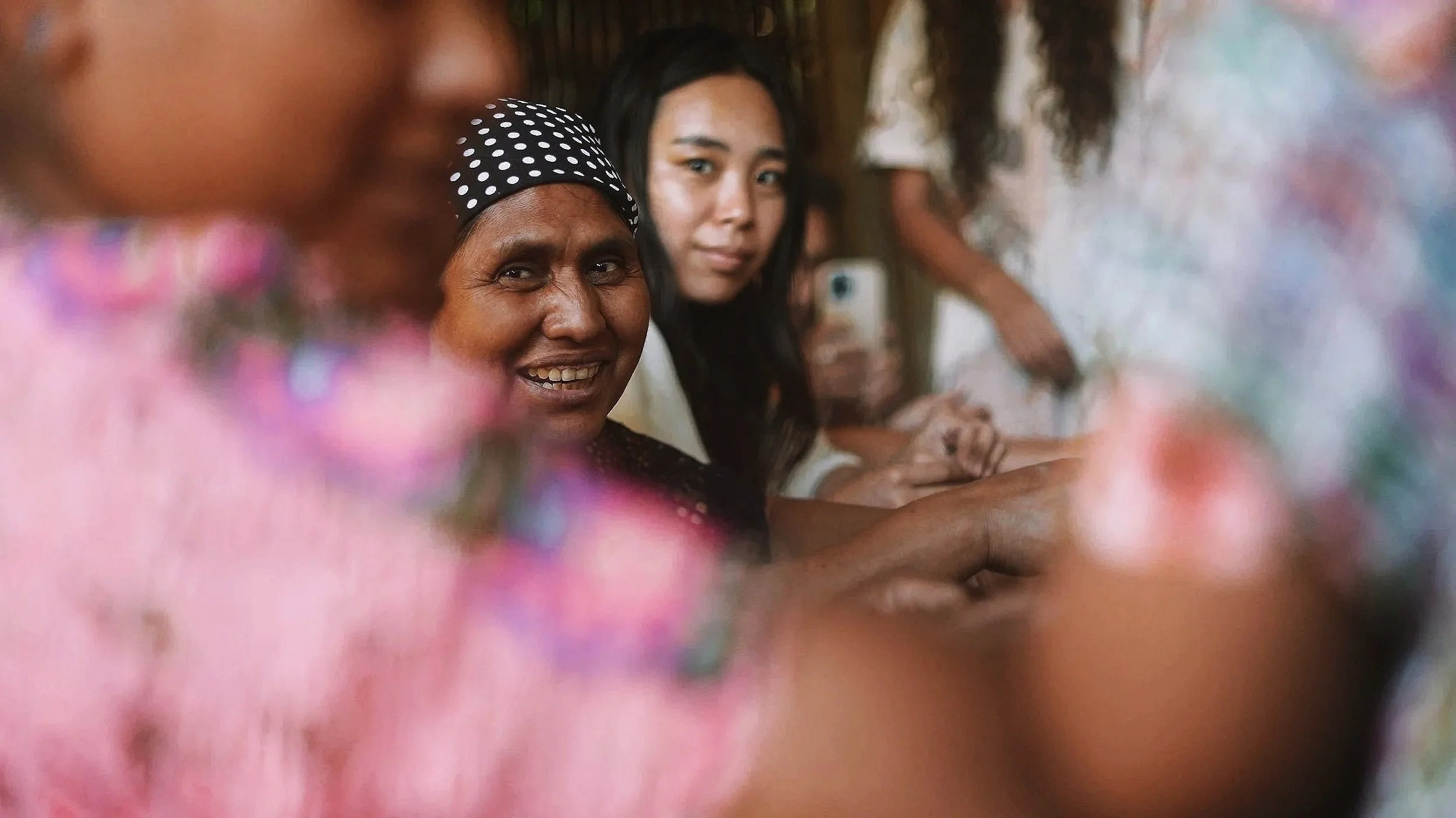
cacao-powered relationships
When you choose to work with cacao regularly, you immediately become part of a living web of connections, and you will likely notice a gentle shift in your relationships. They will become softer, more honest, more tender, more real. You may feel more safe, more connected, and more at home. Your heart will bloom open, and life will become just that much more beautiful.
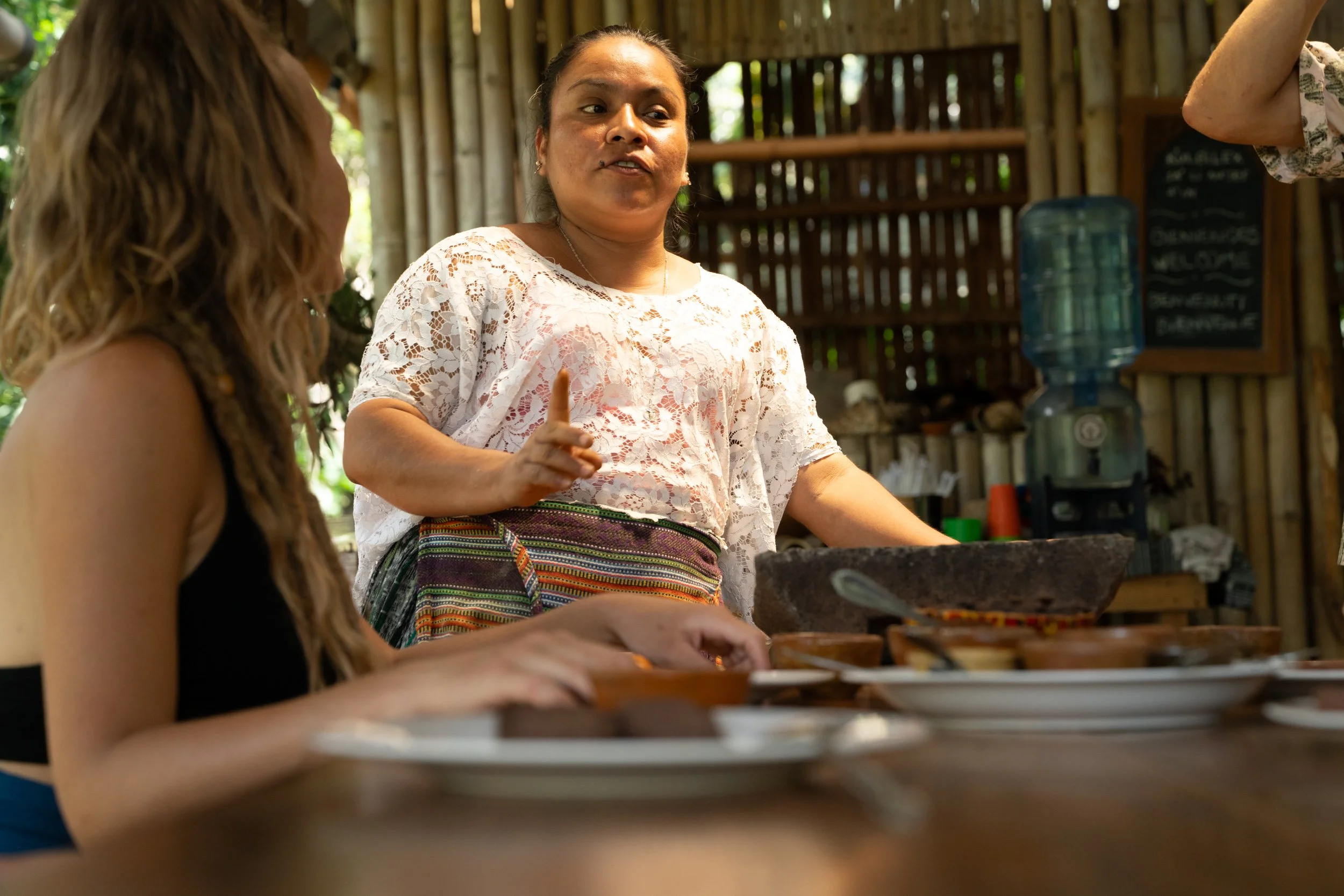
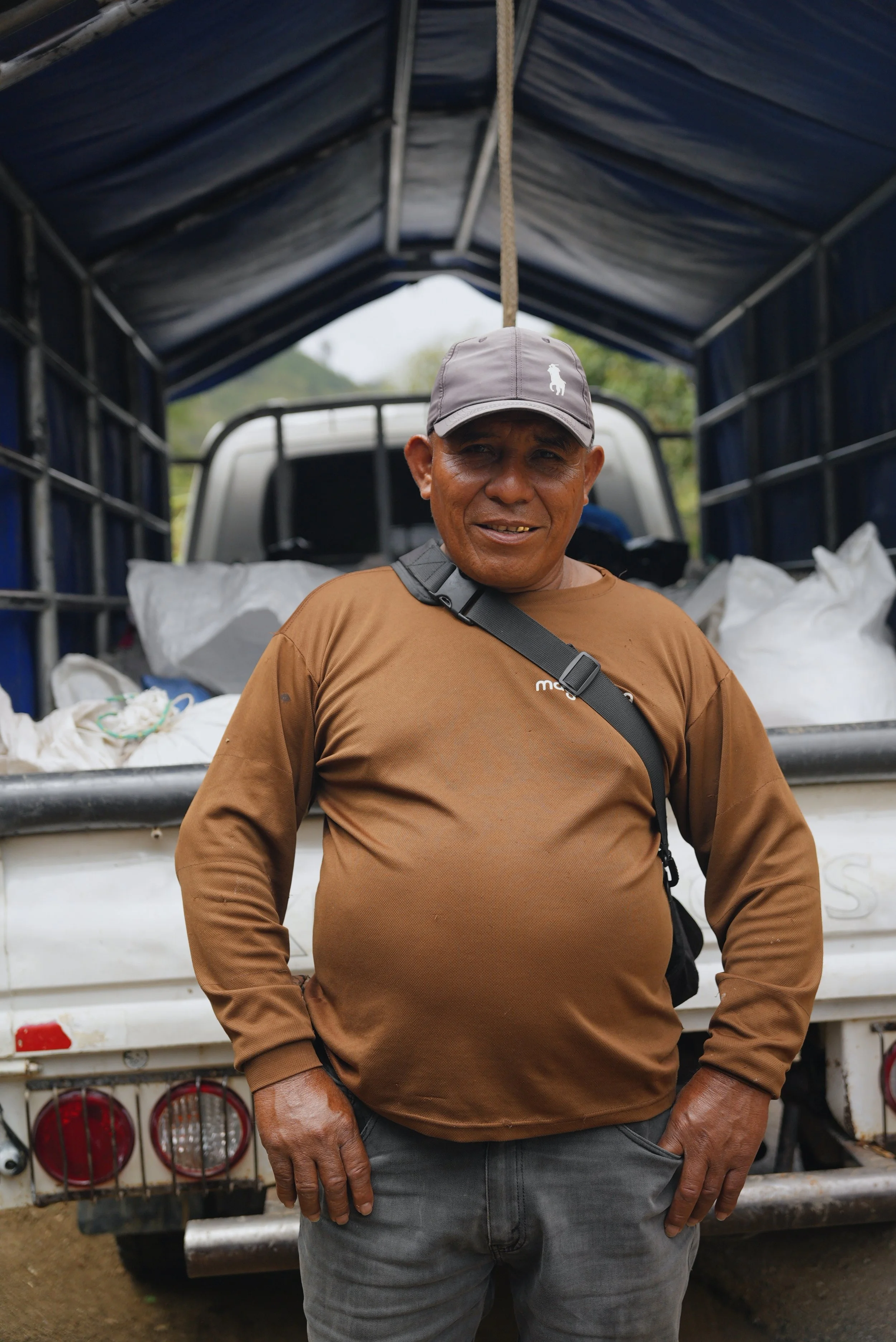



cacao is what brought us together.
It has carried us into forests and communities we never could have planned. And now it's carried you here.
Through this shared tapestry, you become part of something much larger: a direct relationship with the land, the families, and the wisdom behind every cup.
Welcome in.